May 6.
So today was what it was all about. The trail.
But first… the google review said the cafe was open at 7. It wasn’t. So, hotel coffee it was to be.
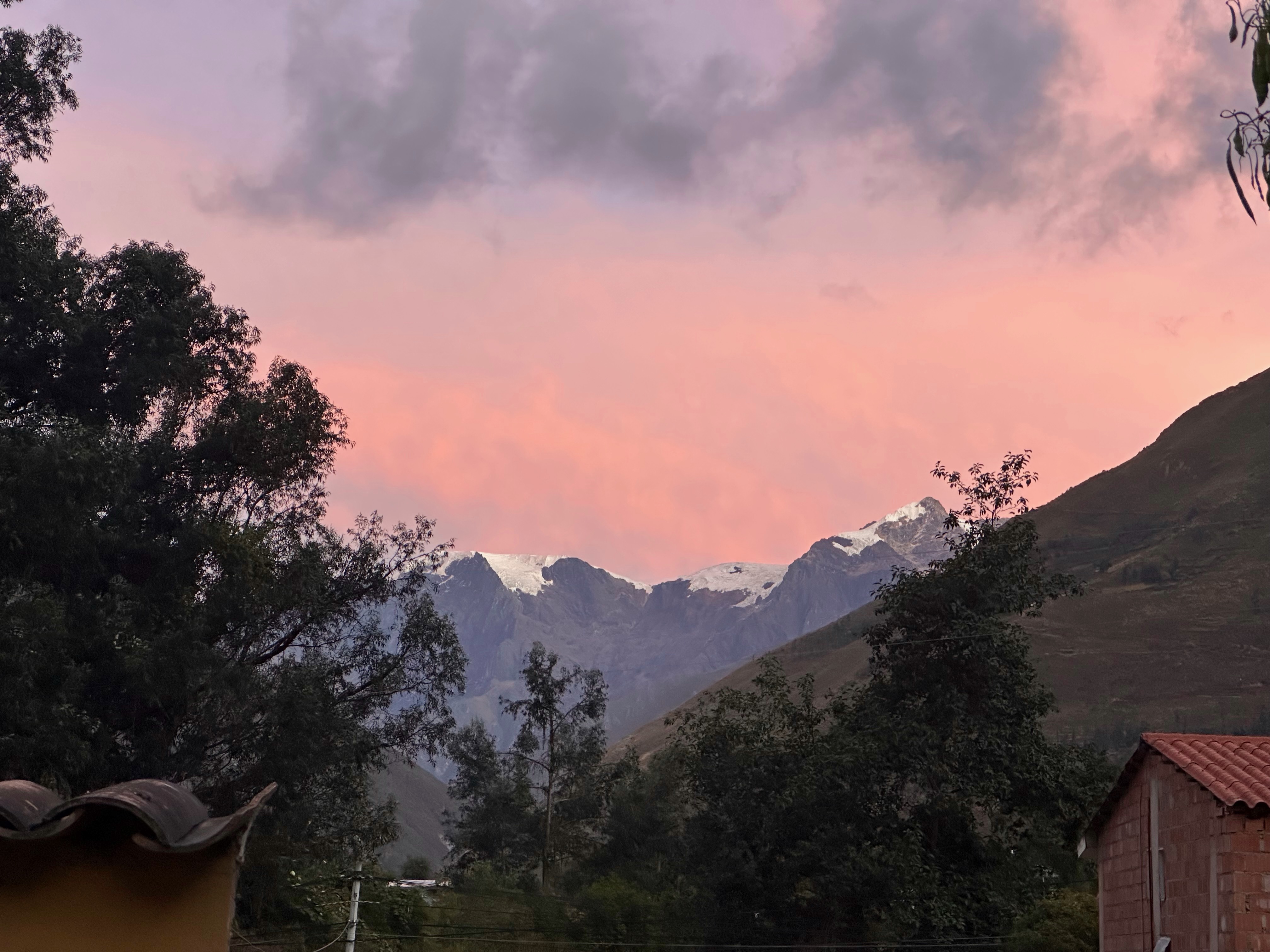
First task was weigh in. We were allowed 3kg in our duffel bags that were to be transported to camp each day. Of which 2 was the sleeping bag. So it took some careful planning to pick the essentials (underwear, socks, thermals, batteries, head lamps and snacks!) Anything extra we had to carry ourselves.
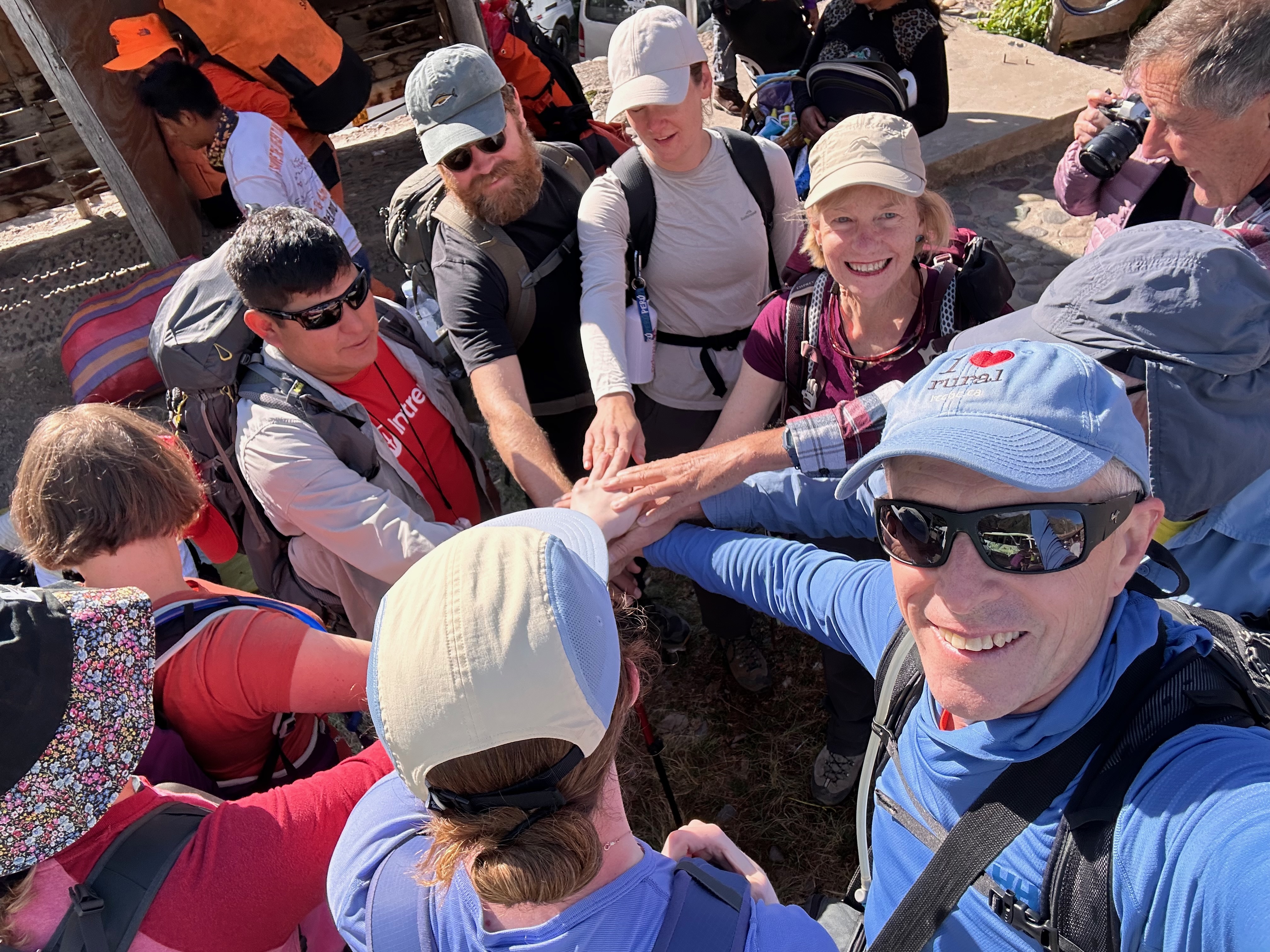
We were bussed to the park registration/entrance to complete the necessary formalities before starting on the trail. After which was a small museum preparing us for what was ahead, including a very useful relief map.
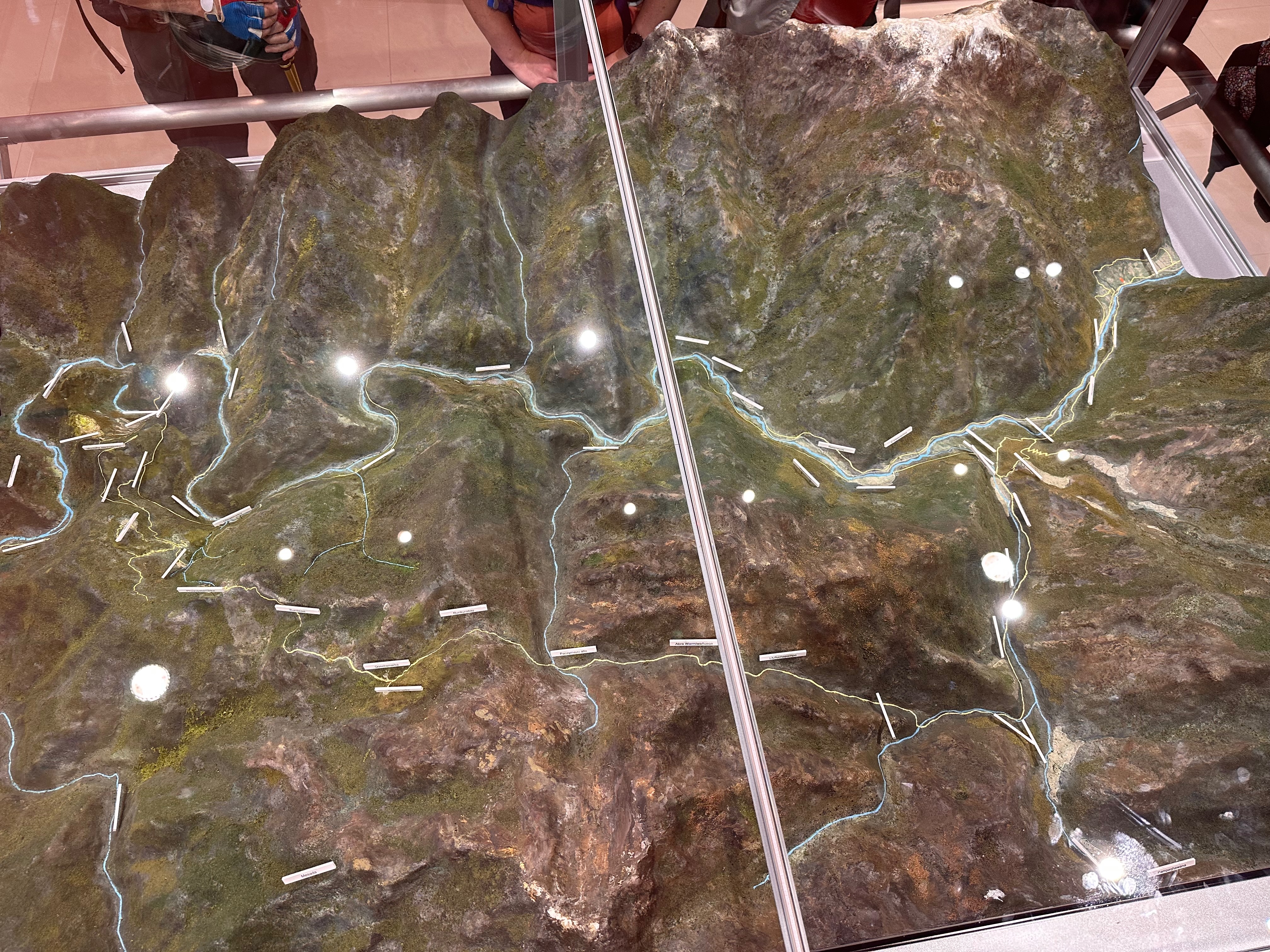
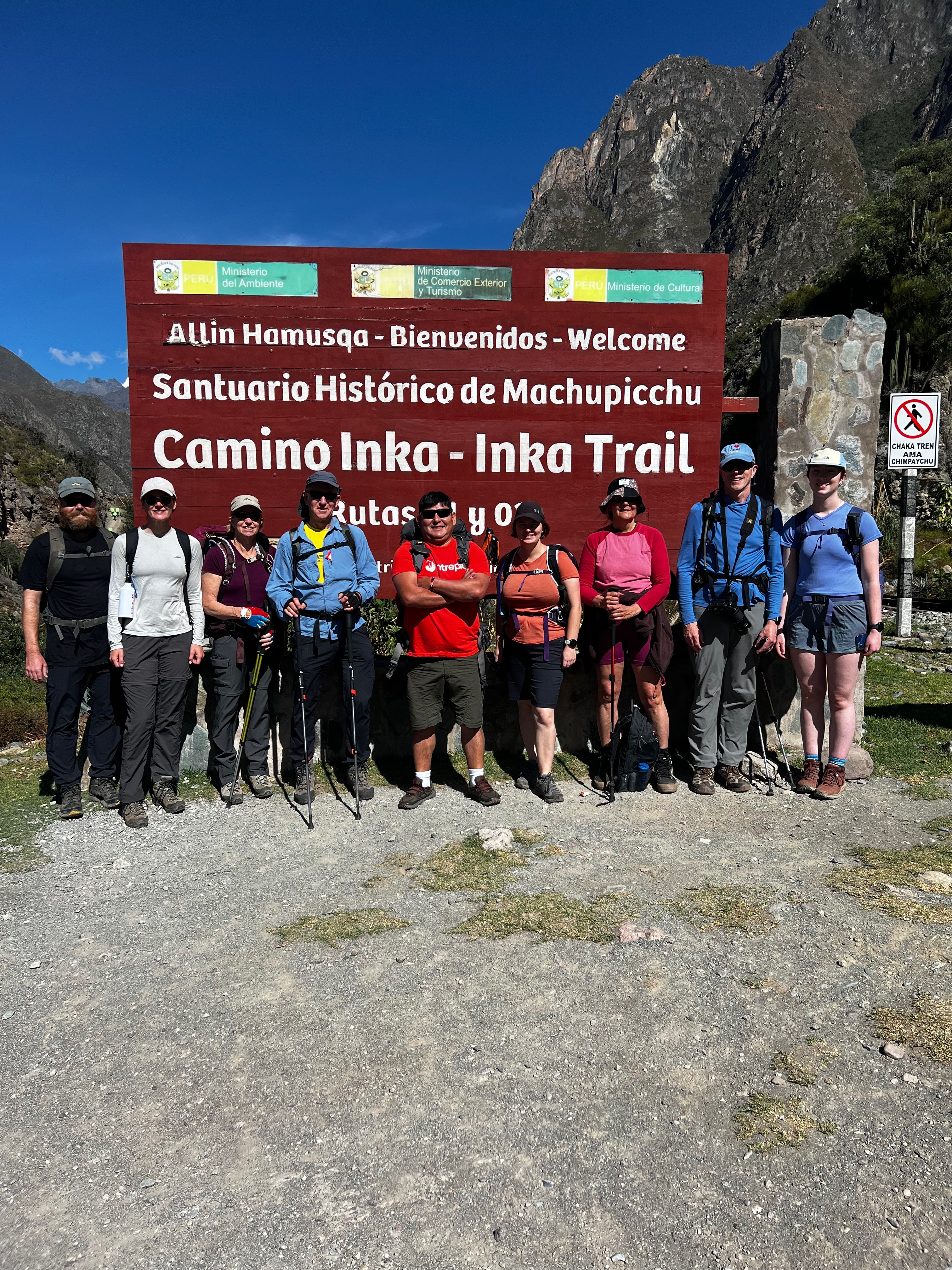
What was immediately obvious was that the Incas did not pick the most straightforward route to Machu Picchu.
Inca Pachacuti: Ok boys. I found the perfect spot for my summer retreat.
Inca engineers: excellent choice. Easy access via the river valley.
Pachacuti: no fellas you’re not getting it. This is where you’re all going on pilgrimage to worship me at the summer solstice.
Engineers: … the river
Pachacuti: no lads.. you have to prove you are worthy to worship me..
Engineers: it’s still quite a long way along the valley..
Pachacuti: so it has to be an epic trek….
Engineers: ………
Pachacuti: …..
Engineers:… so over 4 mountain passes then?
Pachacuti: now that sounds more like it.
Engineers (sotto voce): who’s gonna carry all the paving stones‽‽
The start of the trail doubles as the access “road” for a few small communities along the river. So there was much traffic of various kinds apart from the 200 hikers and 300 porters that are allowed each day.
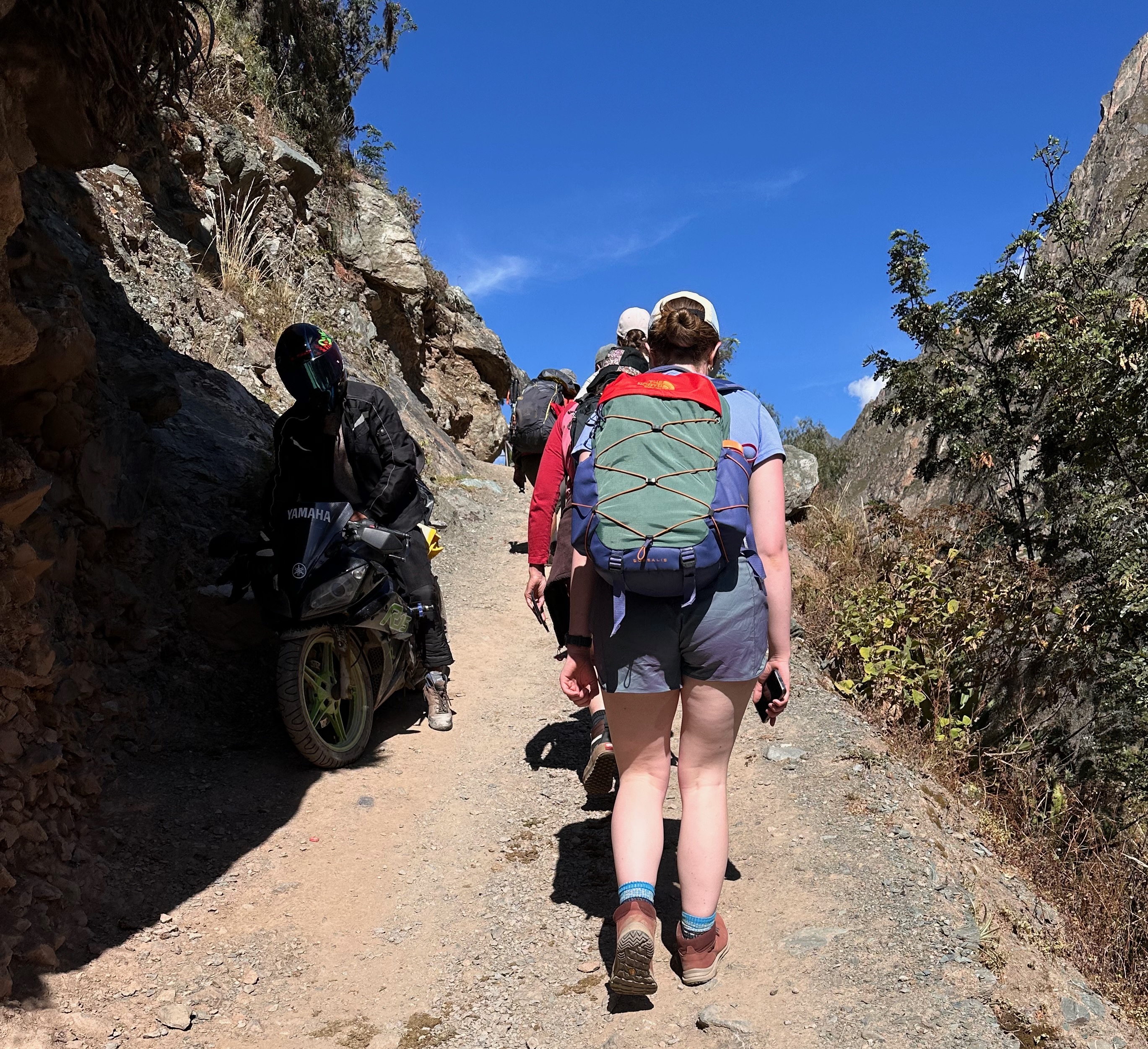
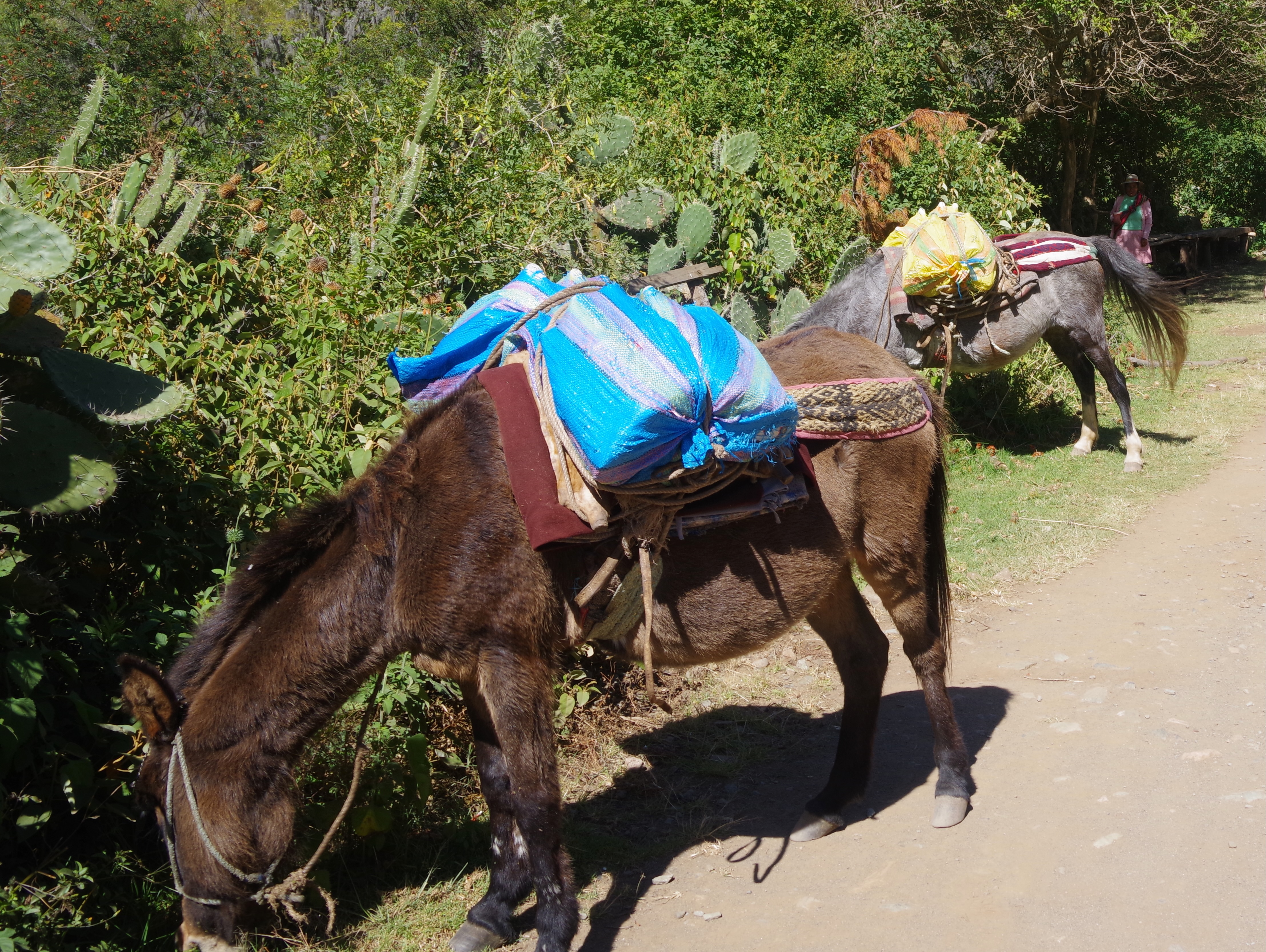
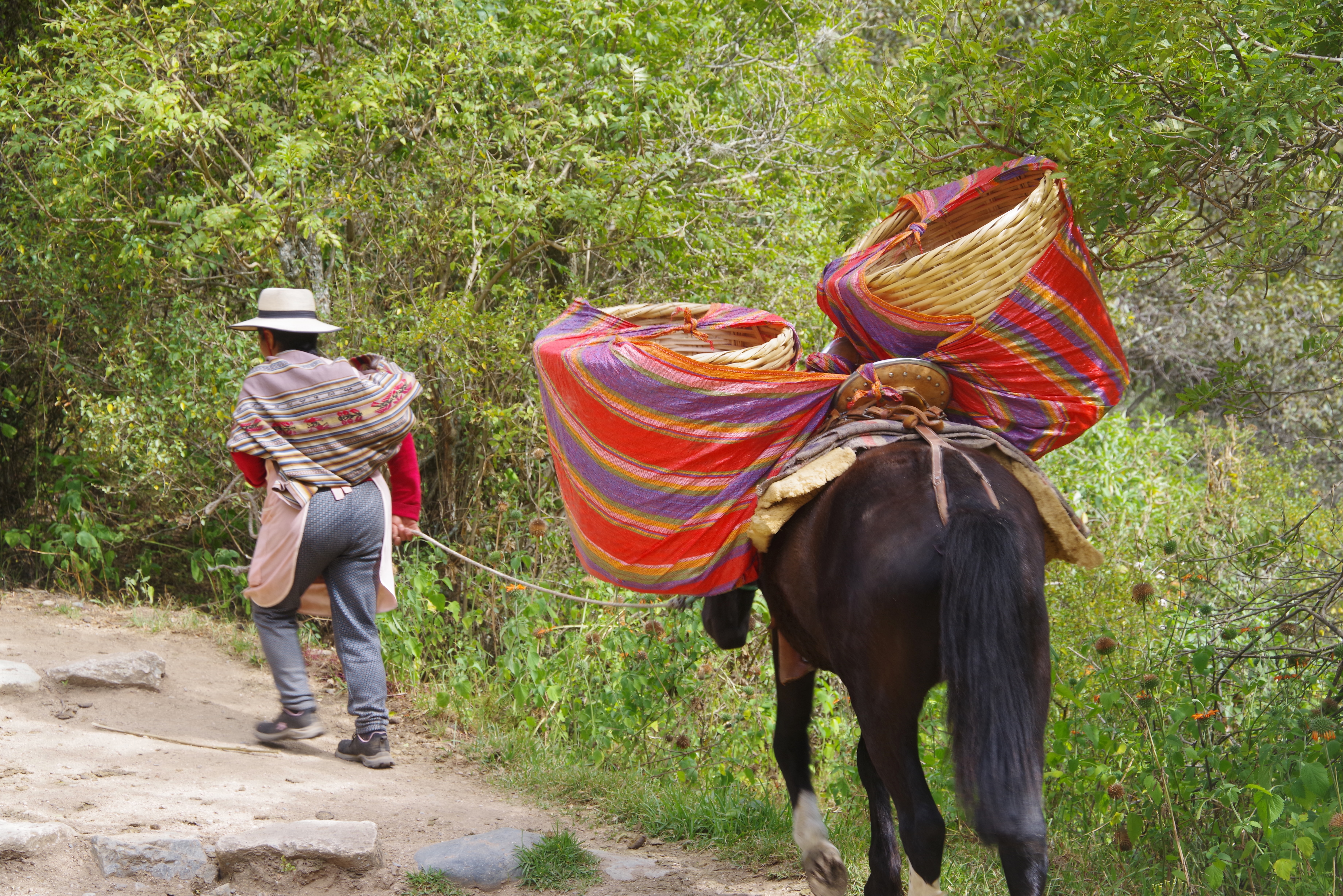
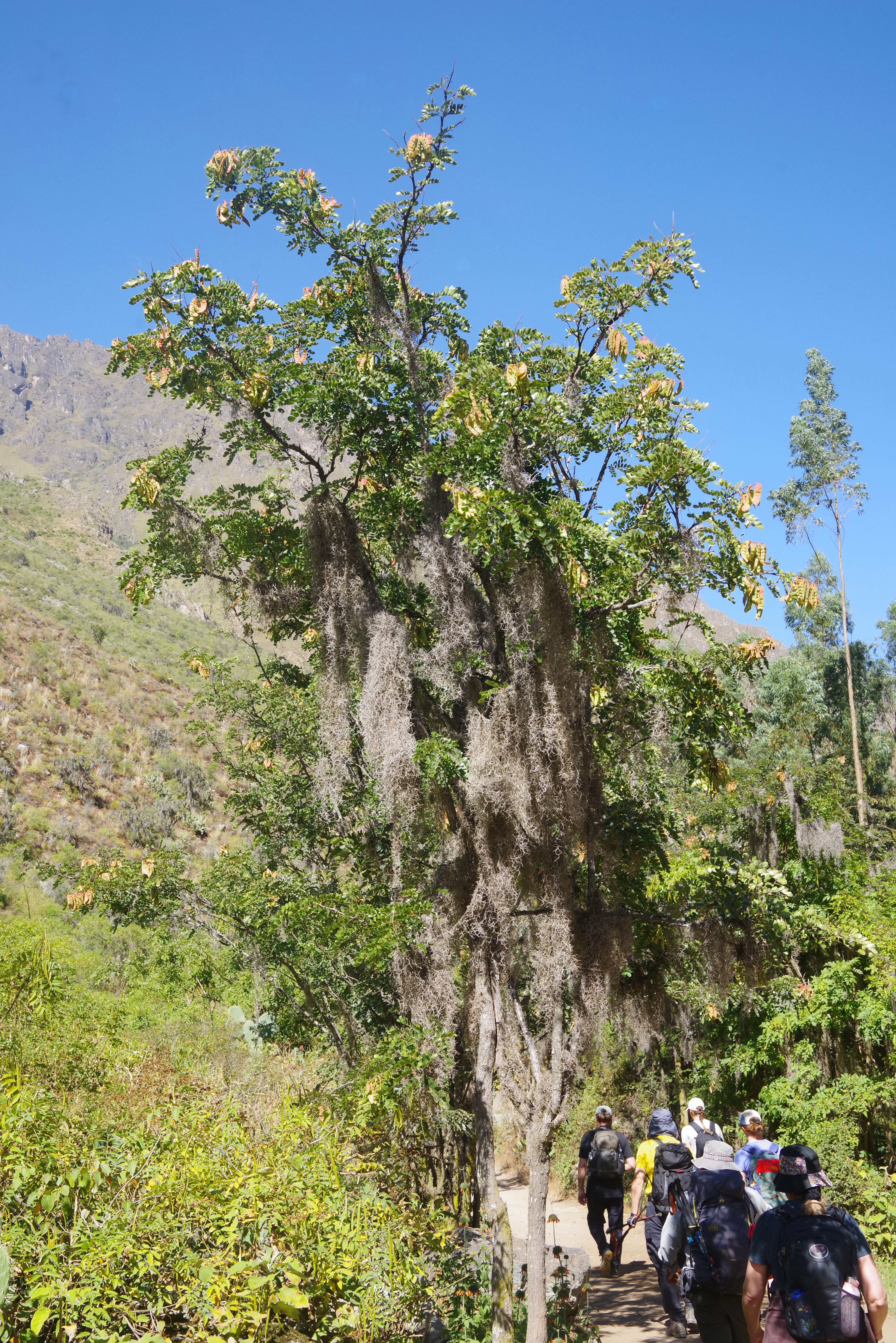
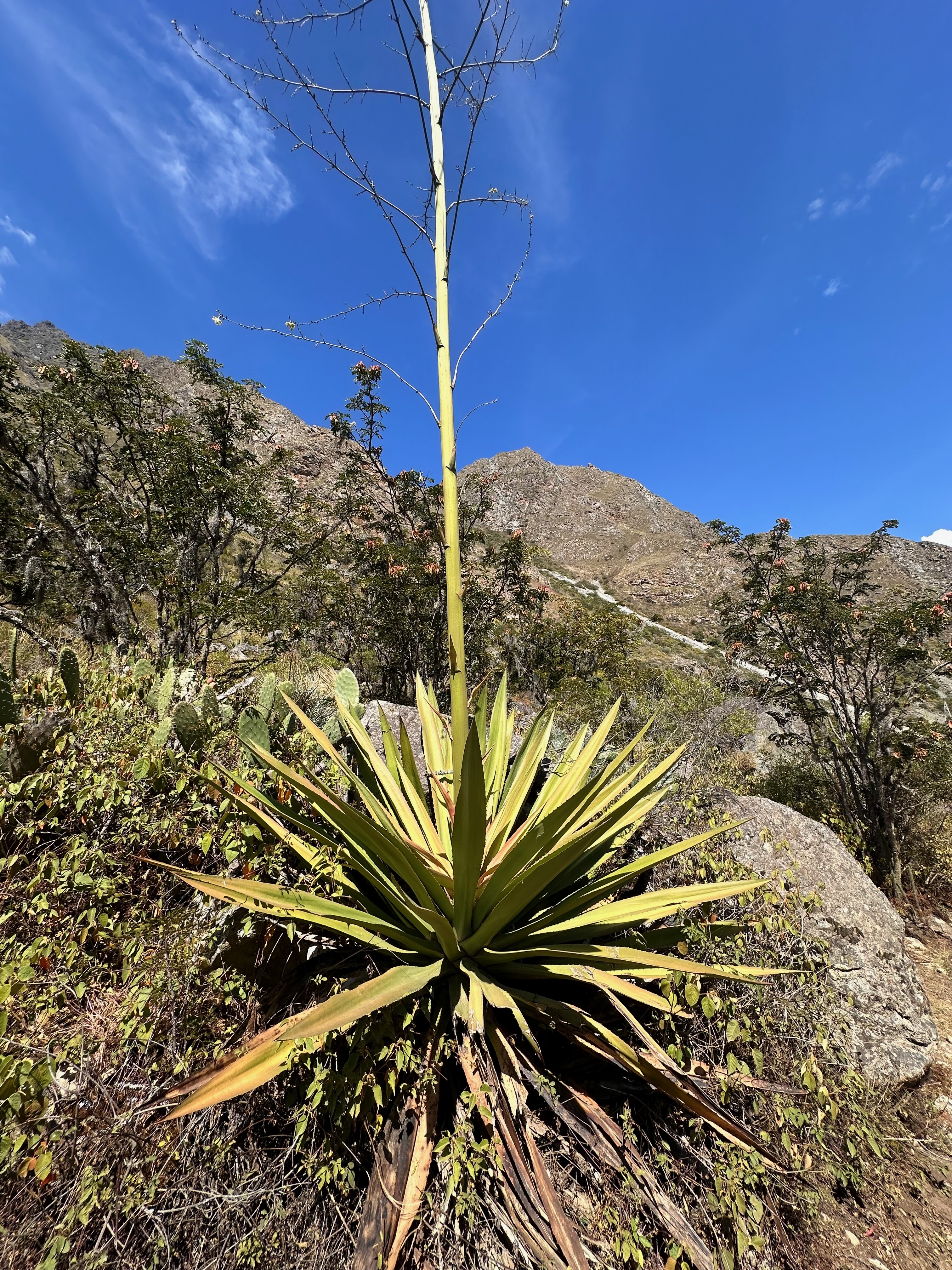
Initially we were walking through semi desert. Lots of grasses and cacti with the mountains looming ahead and behind.

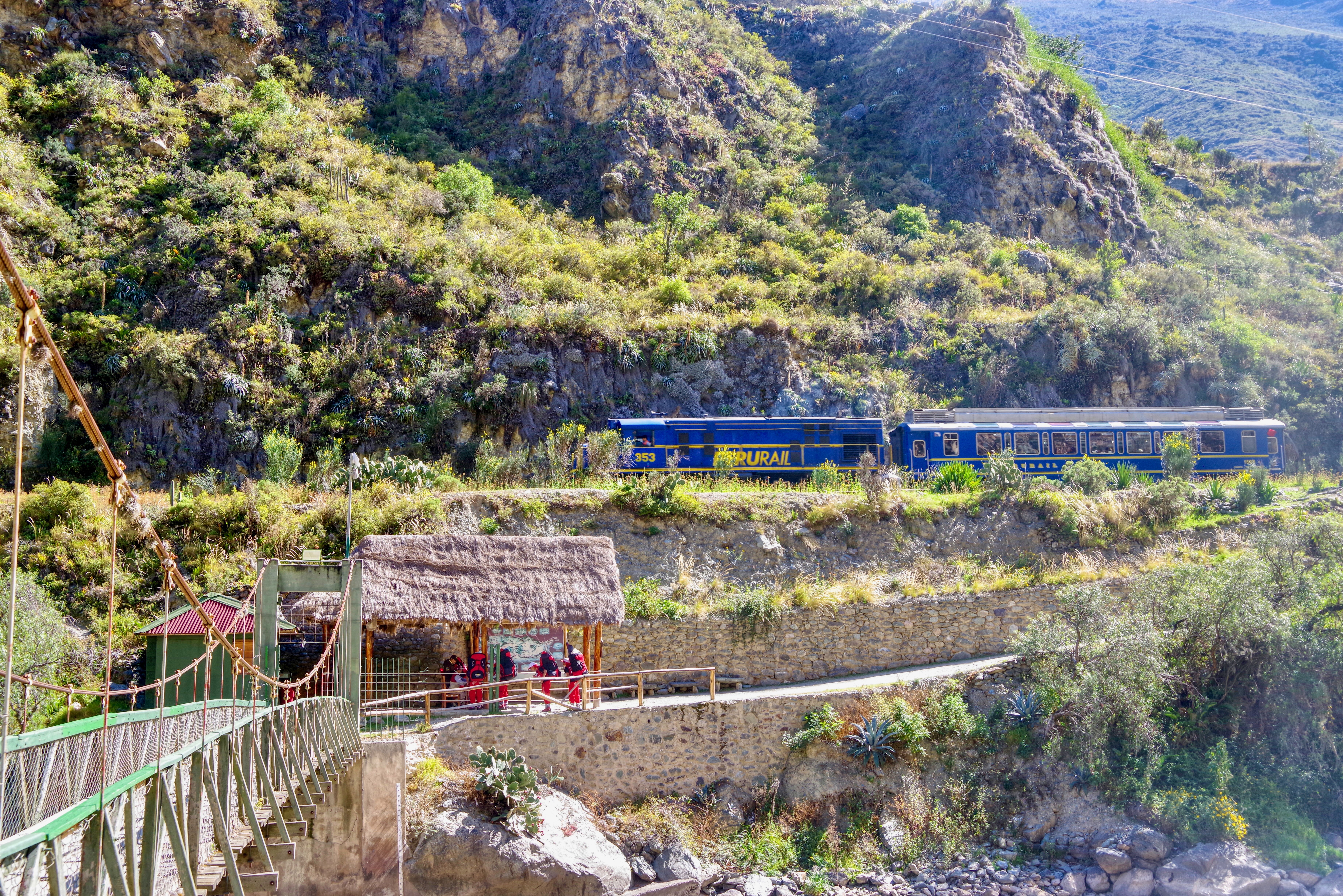
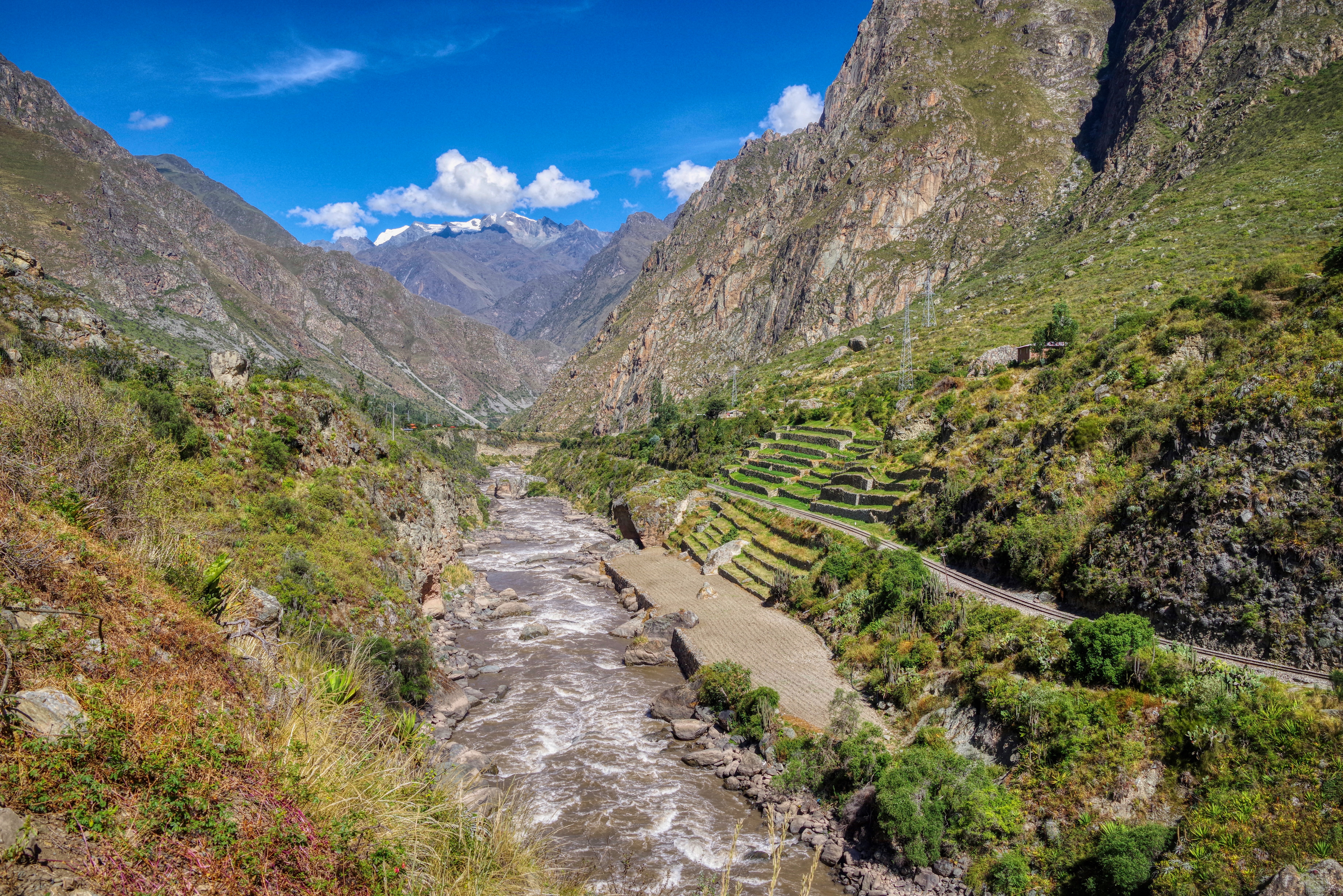
As well we were treated to more examples of the fine Inca terrace work. Perfect back drop for some choice train photos!
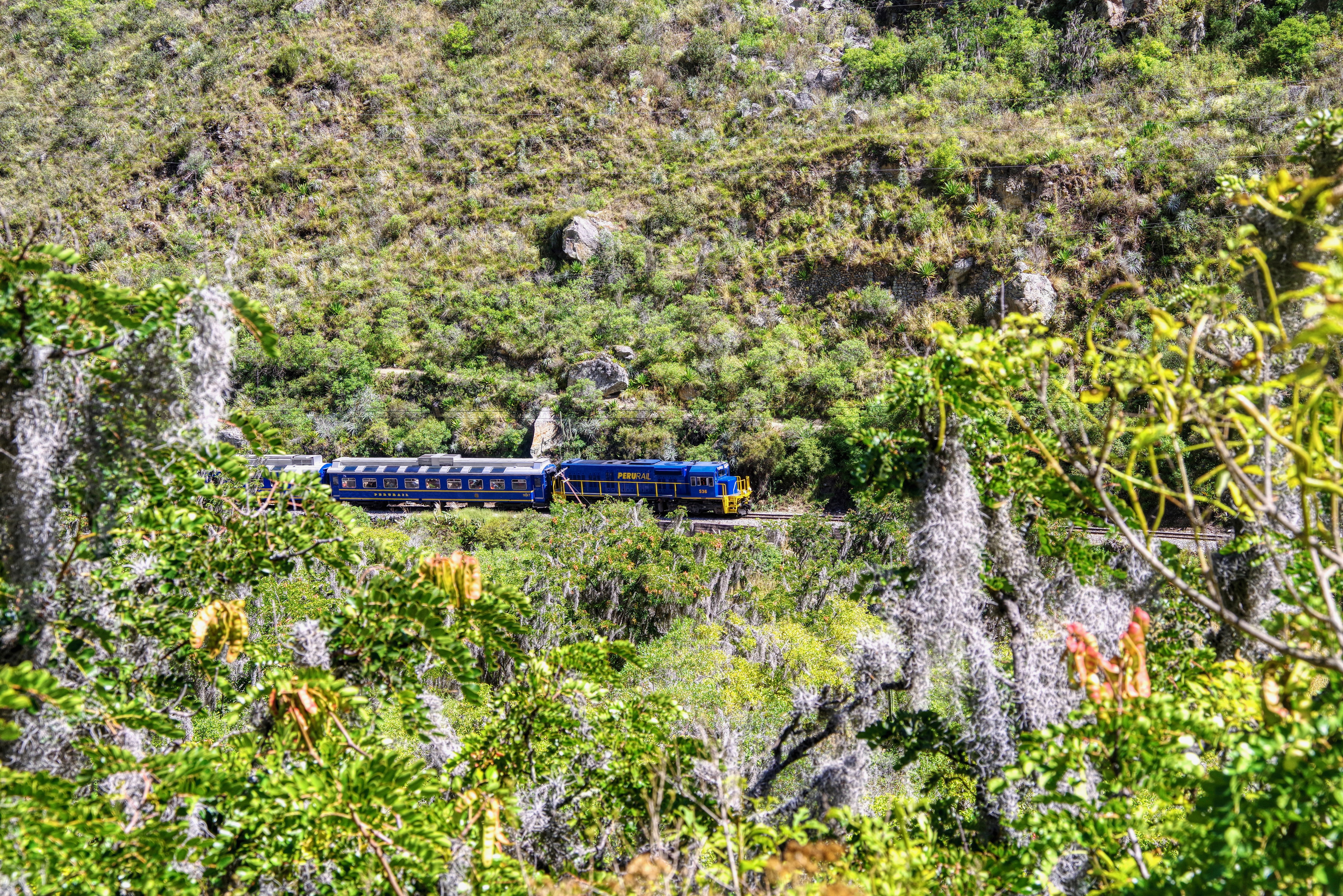
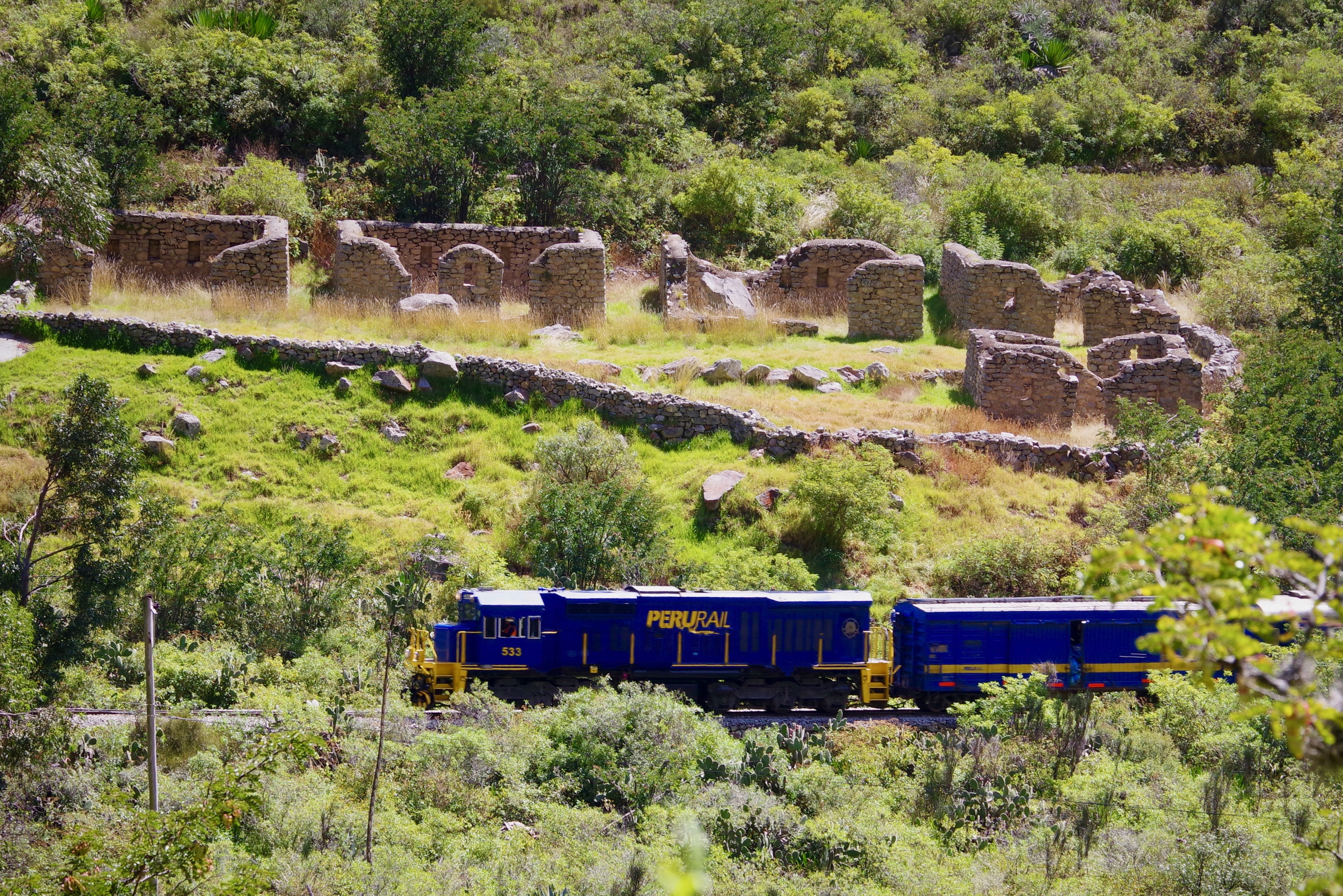
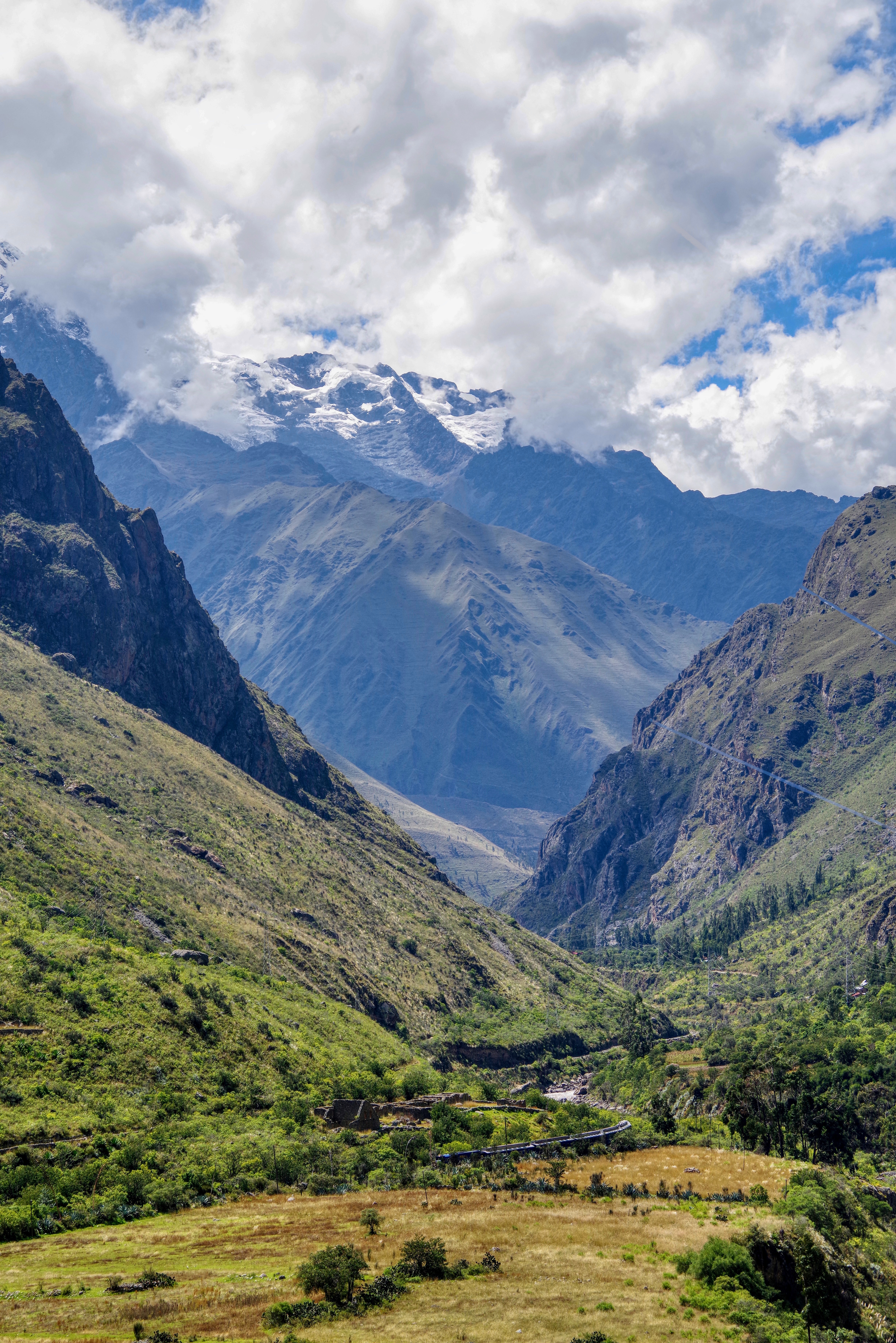

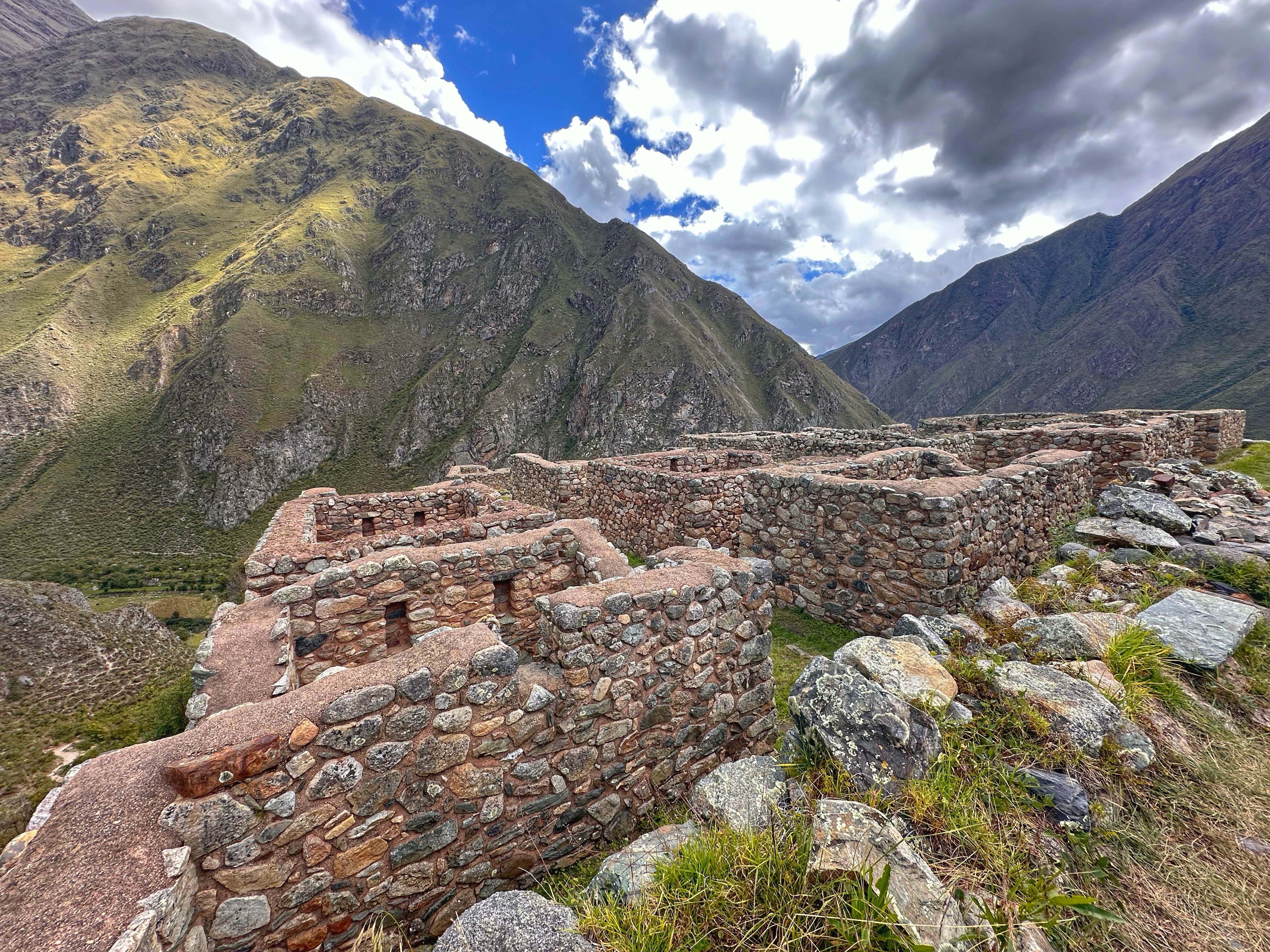
The first major stop was an unmarked Inca site just before the ruins of Willkarakay (and about half way for the day) with breathtaking views over the valley. The centre of the site was notable for a depression where a water mirror, that would have been used to observe the stars, would have been placed. It was also where the elements threatened to steal your headware if you didn’t hold on to it!
It was also notable for nearby evidence of pre-Inca stonework, as indicated by the lack of slight recline and precision of the later Inca work.
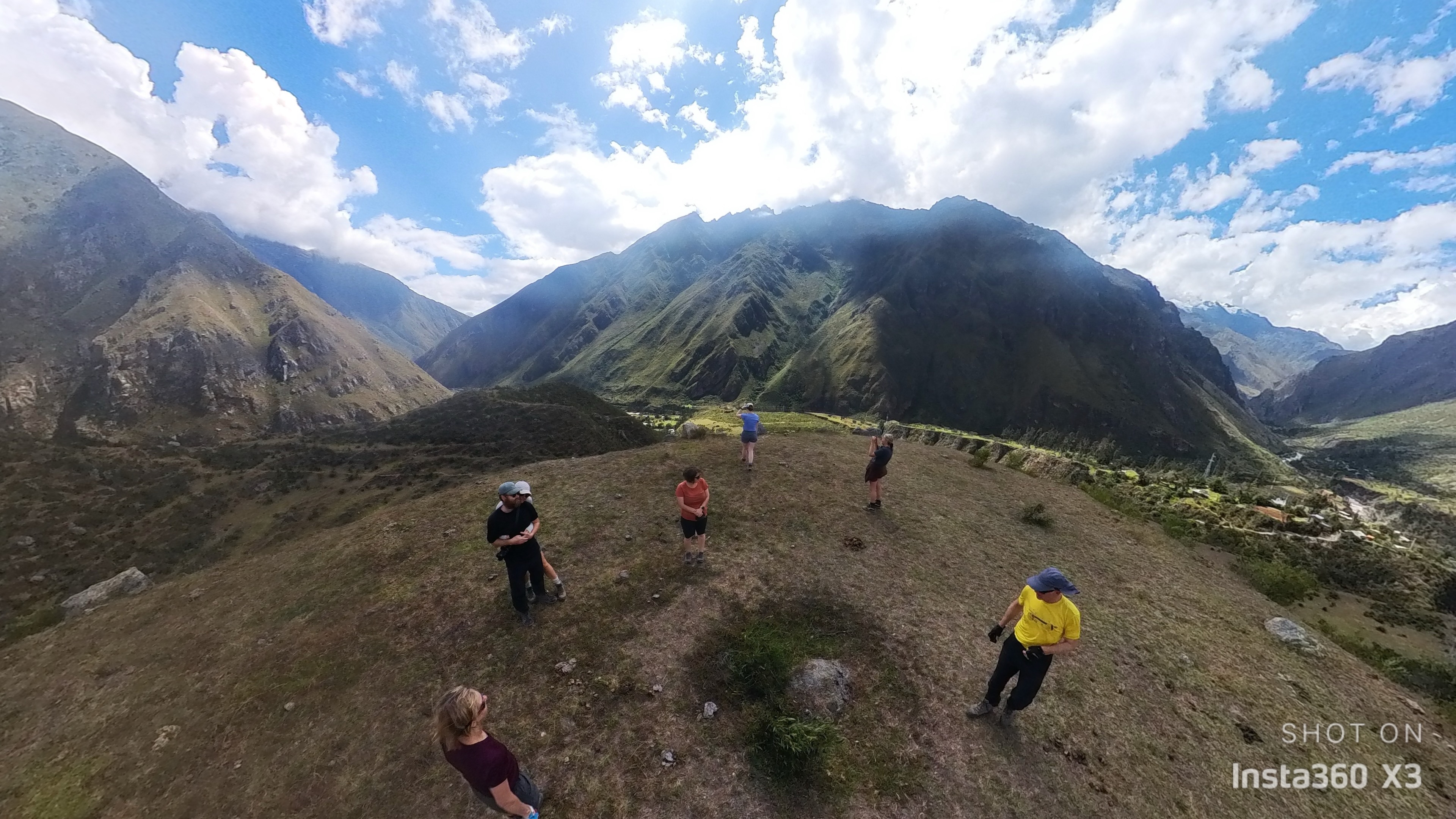
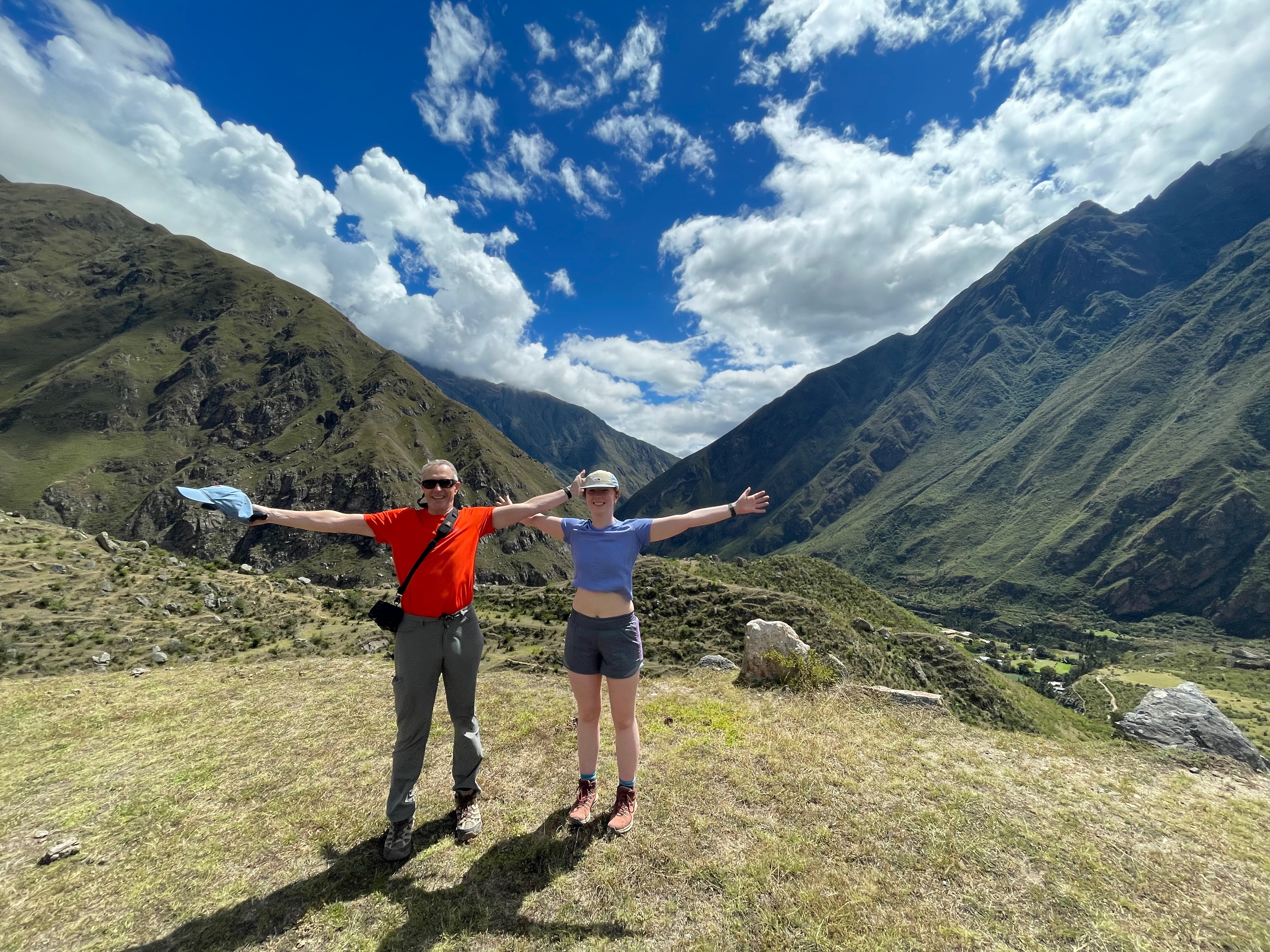
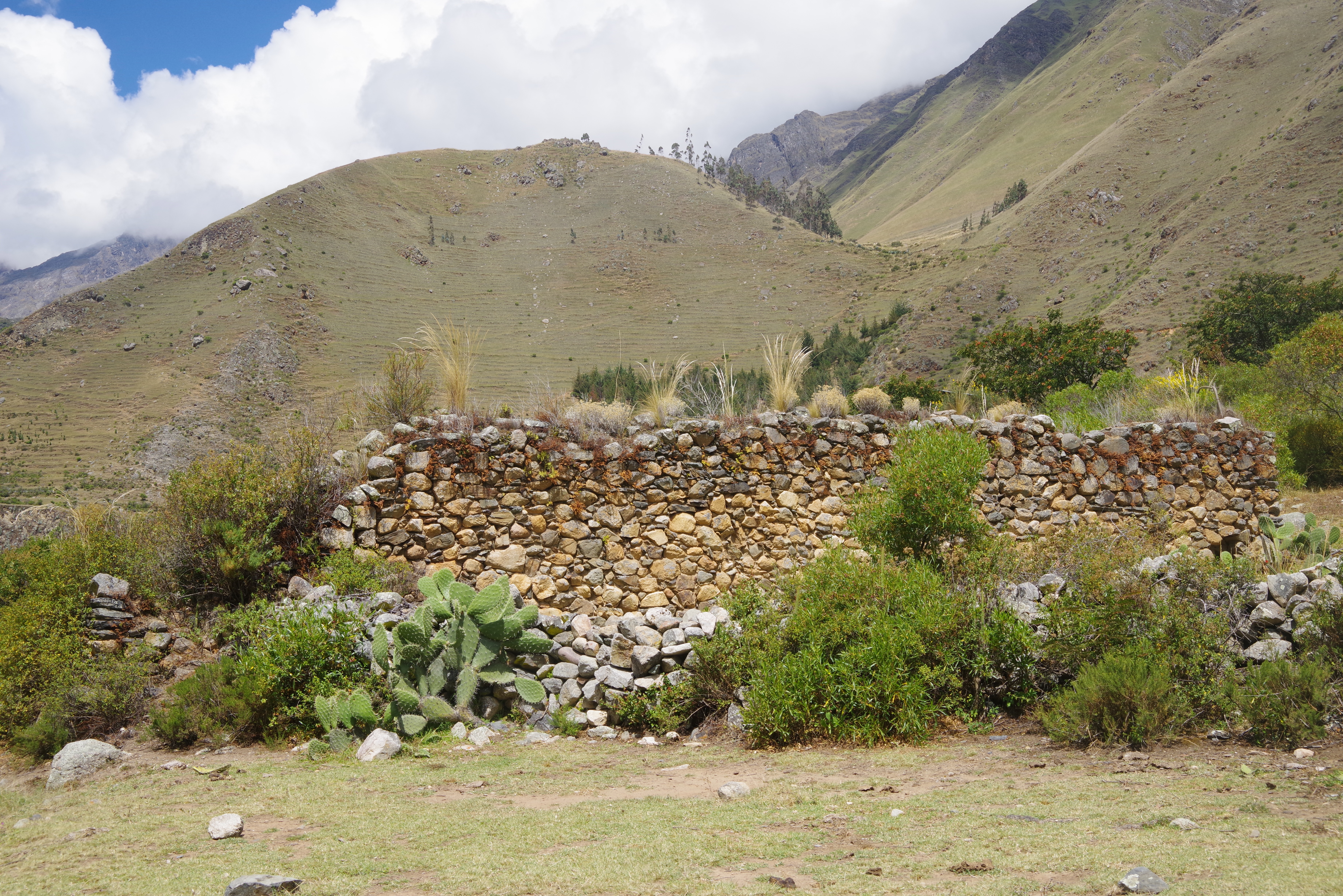
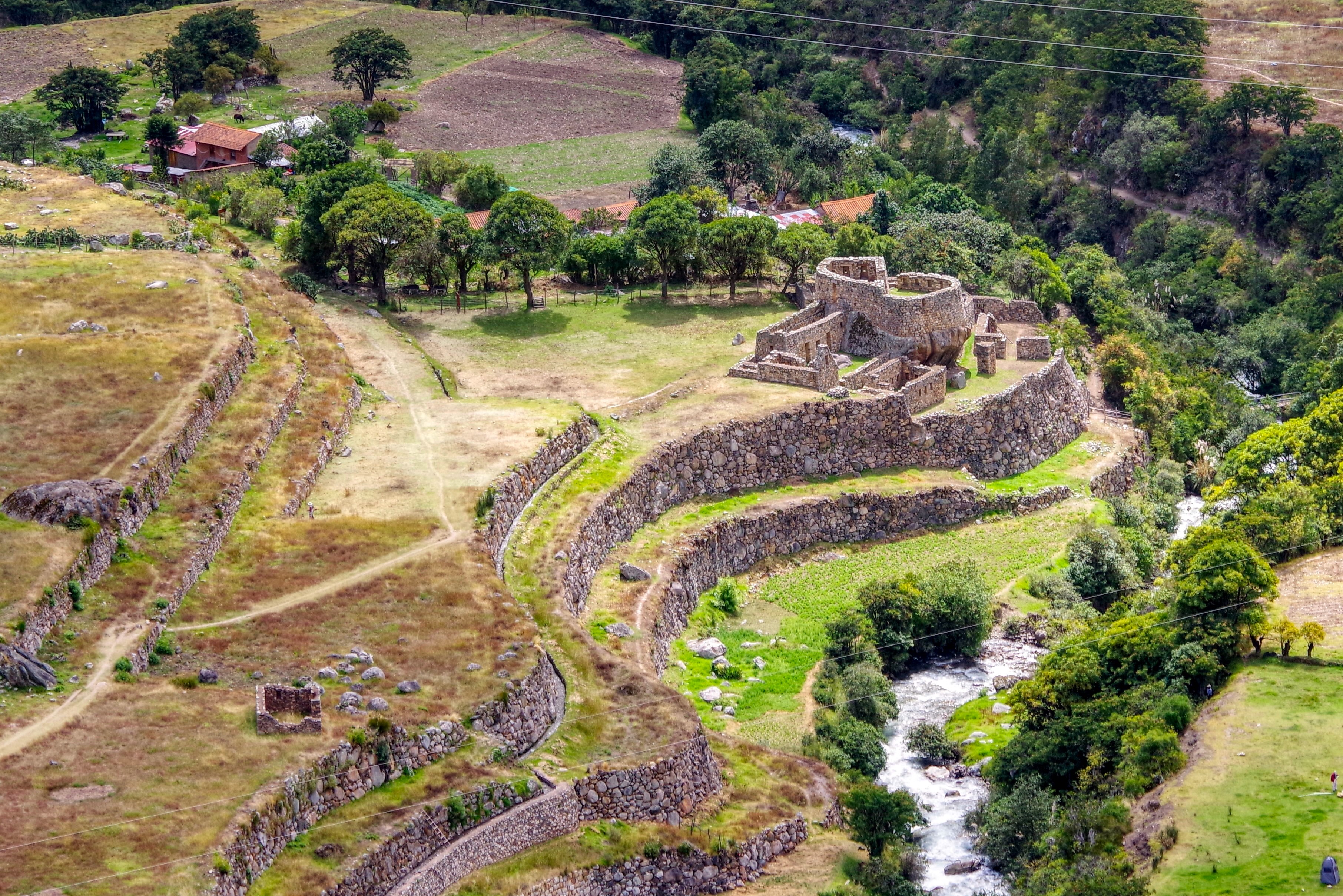
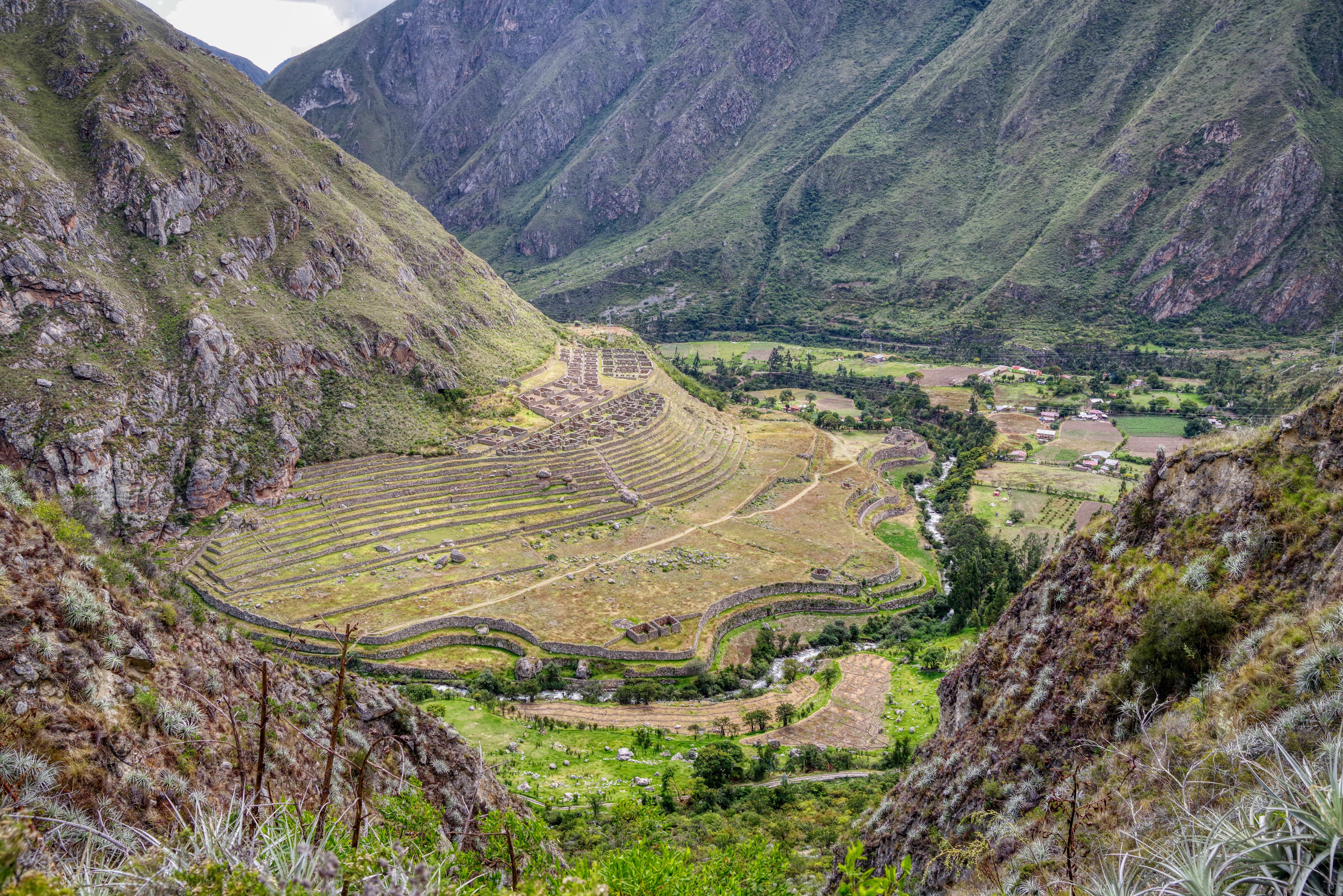
We next stopped at the ruins at Llactapata which overlooked the sprawling site of Patallacta.
Patallacta was where one could say the Inca Trail truly begins as it leaves the Urubamba river to begin the mountain pilgrimage.
Patallacta provided food for Machu Picchu but also where pilgrims were vetted for the journey. Evidence of the extensive terracing and irrigation could be seen. It also has its own Temple of the Sun of similar design to that at Machu Picchu.
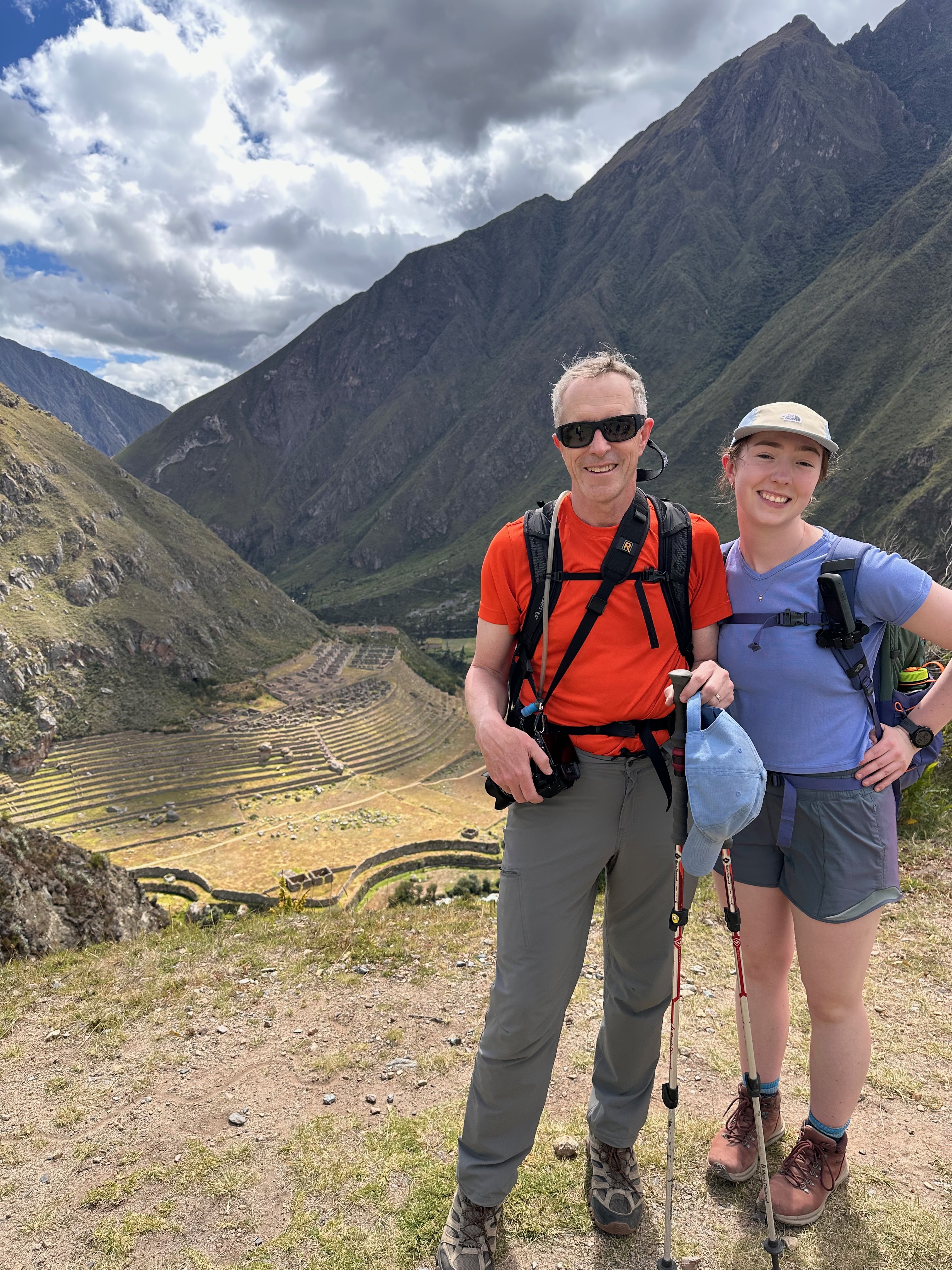


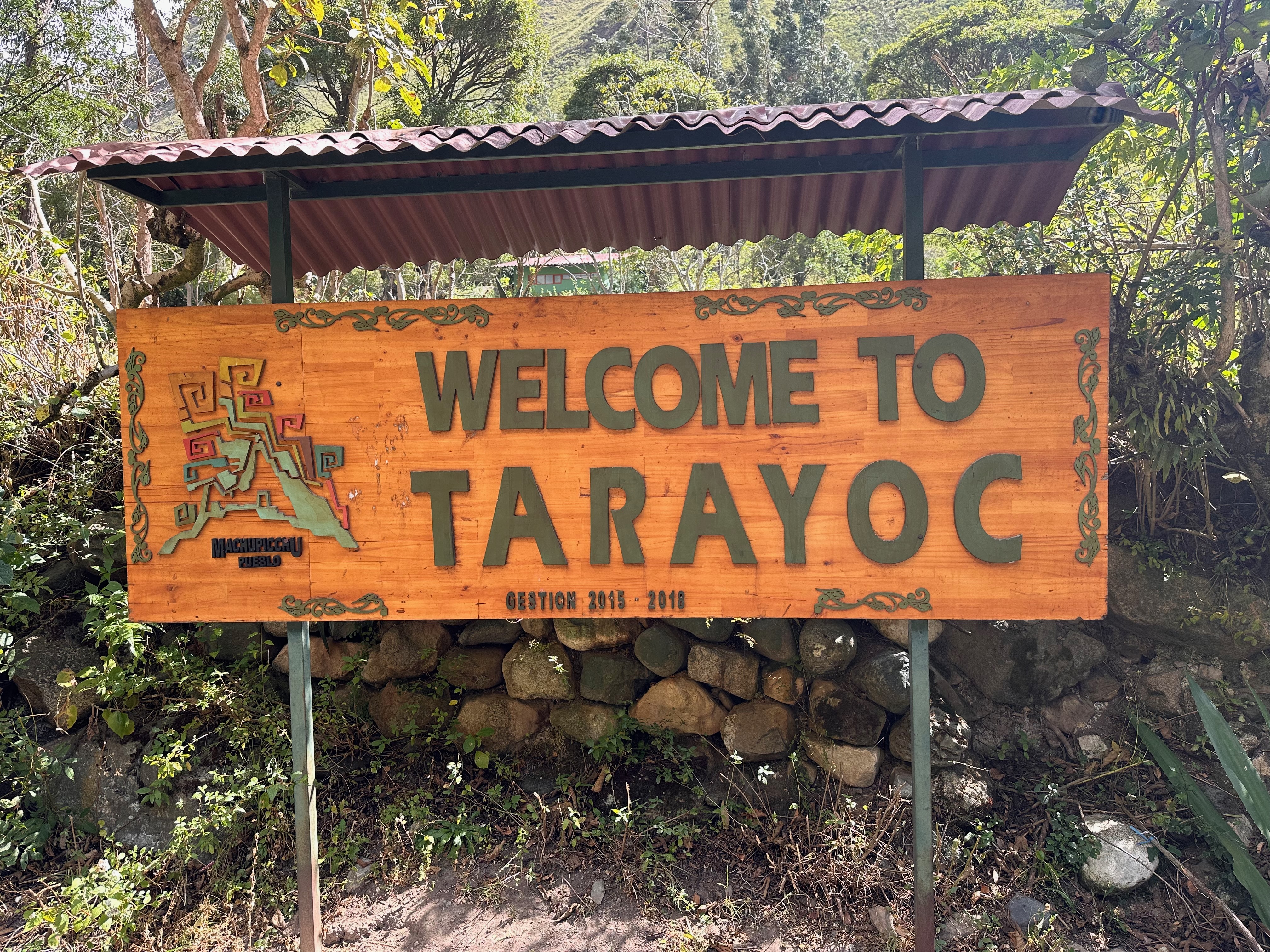
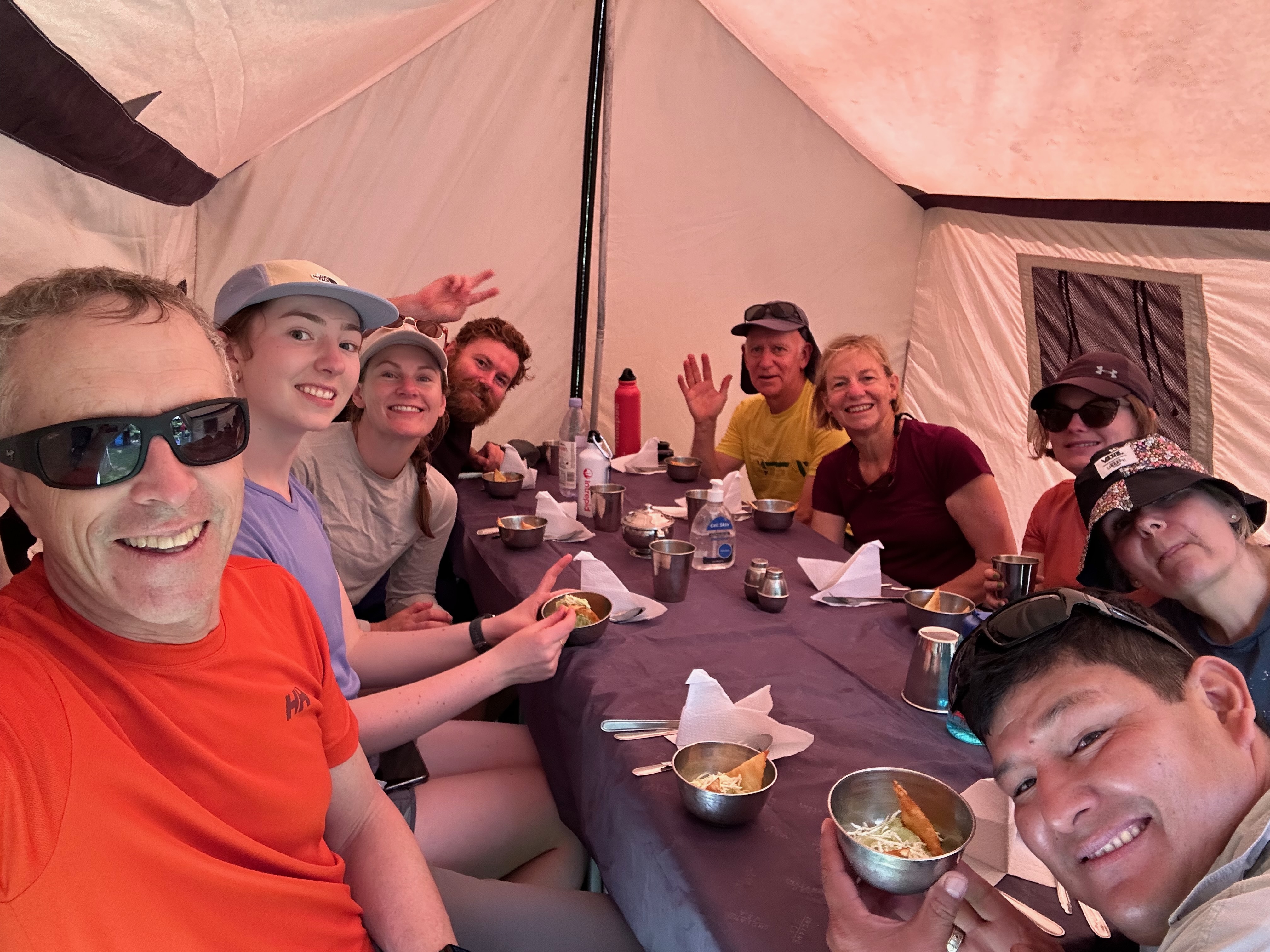
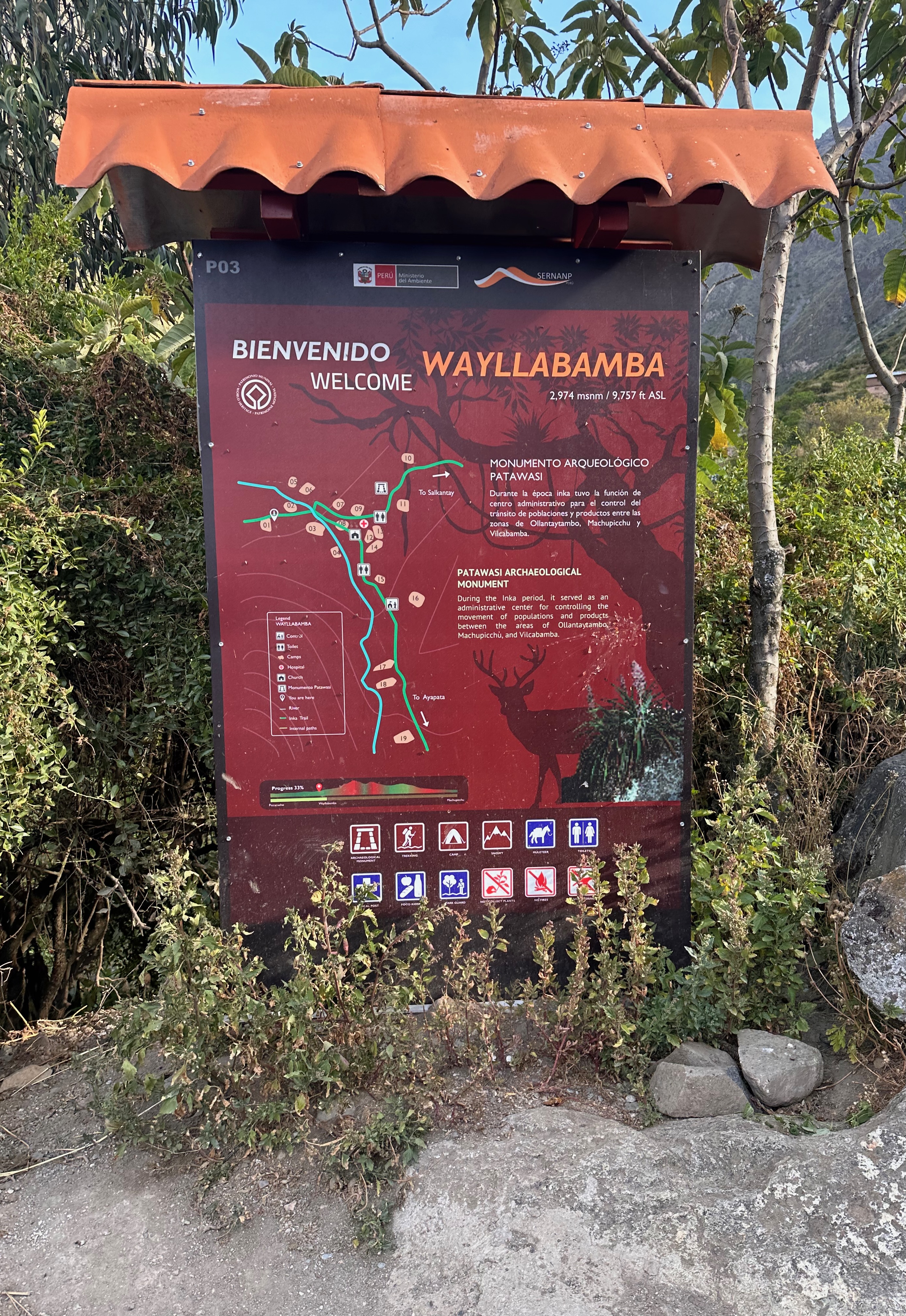
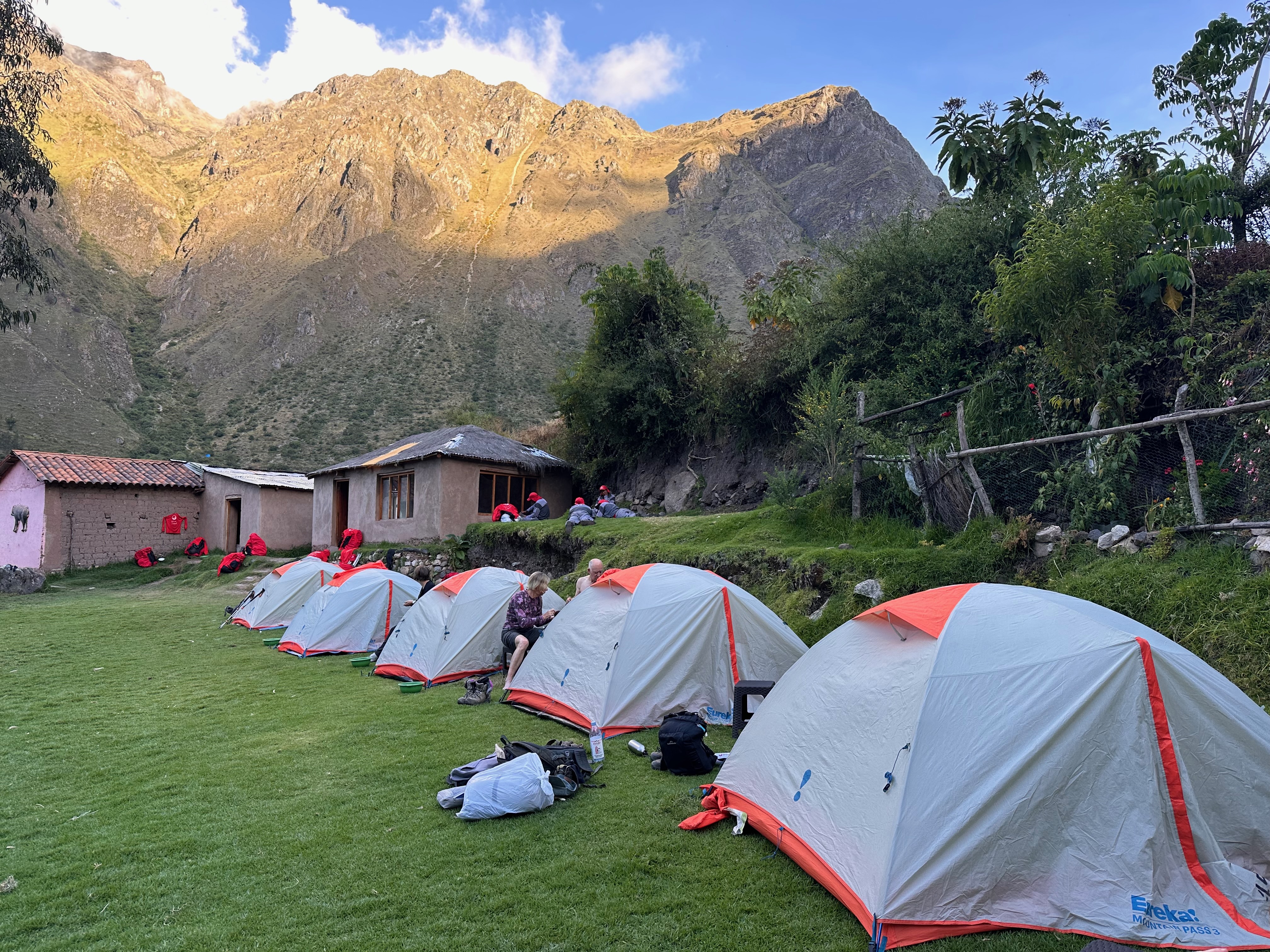
It was from here that we first really started to climb alongside the Cusichaca River. First to lunch at Tarayoc and then to our campsite at Wayallabamba where the trail leaves the river valley to start the climb up to Dead Woman’s Pass.
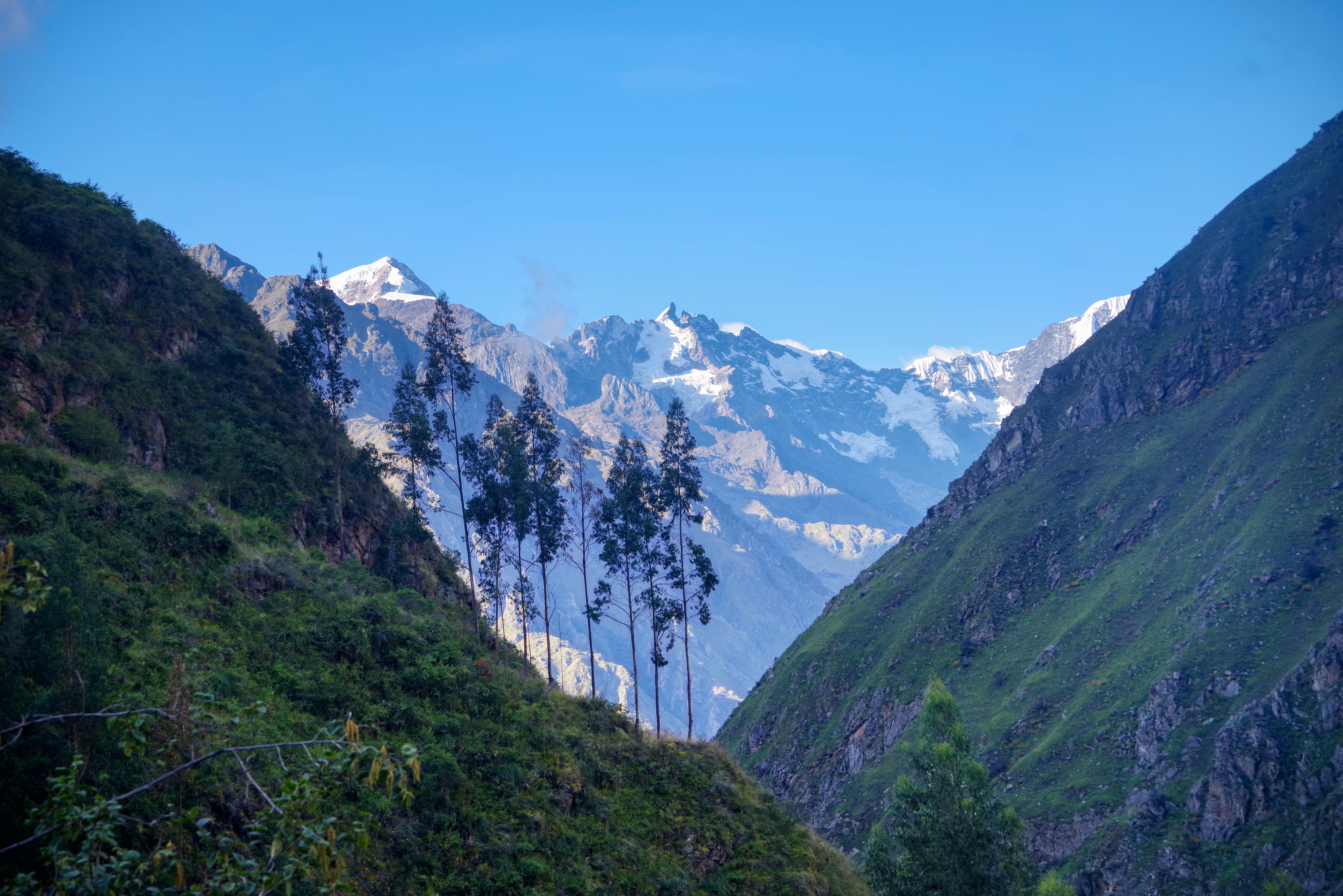
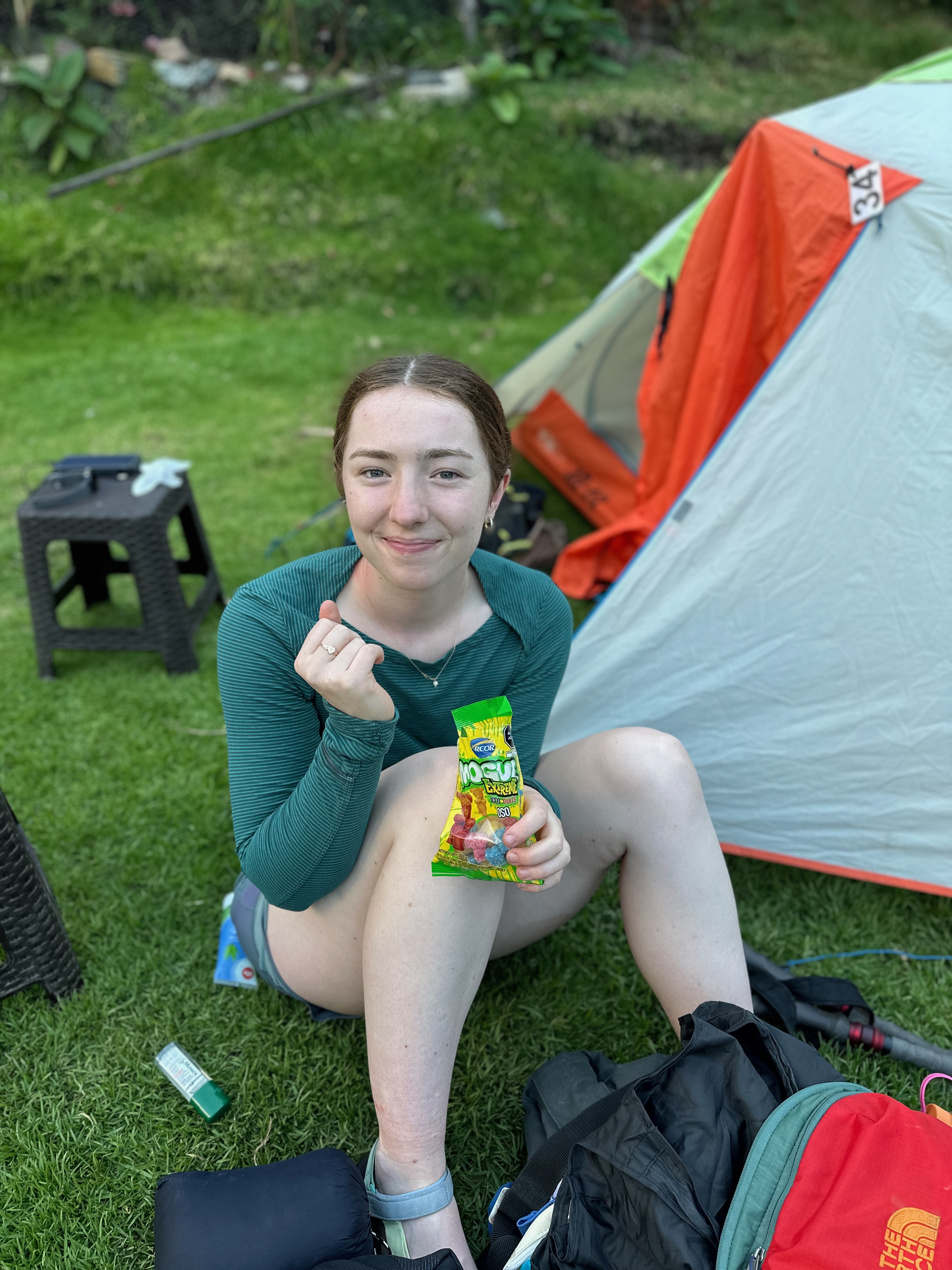
Camp was at the junction point of the two valleys in the lee of Huayanay with a view back down the valley to the ridge between Wacaywillca and Veronica.
Today was a relatively easy day. 12.75 km and 795m gained (according to my Strava).
 Mackey Musings